 All Guides ↗
Most price sites tell you what a booster box costs today. TCG Quant tells you whether the supply is drying up, how scarce the chase cards really are, and whether the long-term setup is worth your capital. Here is what that looks like.
A booster box at $600 can be a great buy or a trap, and the sticker price will not tell you which. What matters is the direction of supply, the strength of demand, and how much of the print run has already been destroyed by openers chasing hits. TCG Quant tracks those forces across every set we cover, then distills them into signals you can act on.
Here are three sealed products we currently track, pulled straight from the platform:
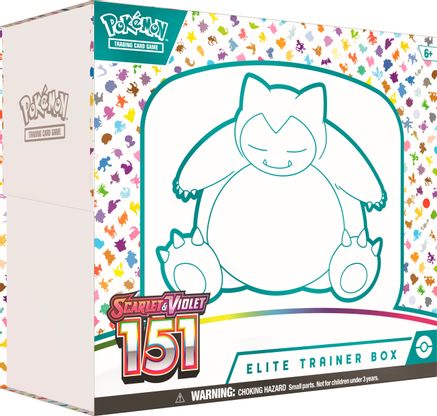
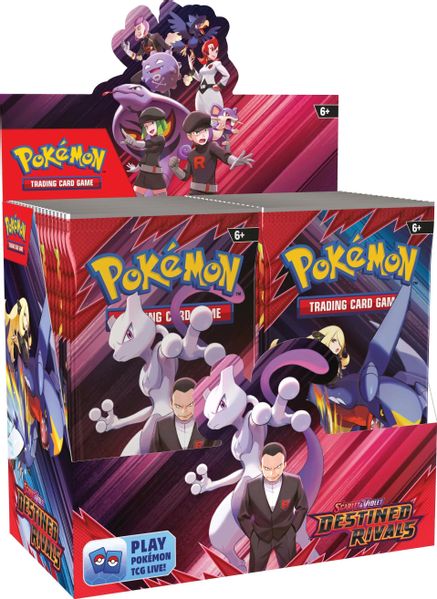

Our Supply and Demand overlay layers competitively-priced listings and daily sales volume on top of the price line. When supply falls while demand holds, appreciation usually follows. This is the single view most investors wish they had before a box runs.
The value of a sealed box is driven by what comes out of it. We publish verified pull rates for every set we cover, so you can see the actual odds and expected value per pack instead of guessing. Below is a live example from Astral Radiance.
Every box opened for singles permanently removes sealed supply from the market. Our Destruction metric combines PSA population data with pull rates to estimate how much of a chase card, and by extension the sealed product, has already been cracked. Low surviving supply is the quiet engine behind long-term appreciation.
The Long-Term Score, or LTS, condenses appreciation history, chase value, and supply dynamics into a single rating so you can scan a whole era at a glance and focus your research where it counts.
TCG Quant tracks supply, demand, pull rates, destruction, and Long-Term Scores across Pokemon and One Piece sealed product, updated daily.
Explore TCG Quant →